ProtocolThe World Coalition’s objective is the ratification of the United Nations Protocol on the abolition of the death penalty by all the states parties to the ICCPR that have abolished the death penalty, either for all crimes, or for ordinary crimes only.
Details have emerged on the recent enactment of legislation asserting the death penalty in Liberia. The World Coalition has offered authorities in Monrovia its support to put Liberia back on the path to abolition.
The former Soviet republic has confirmed its accession to the only international treaty abolishing the death penalty in an irreversible manner.
Nicaragua became the 71th state to ratify the Second Optional Protocol to the International Covenant for Civil and Politic Rights on 25 February 2009.
On September 25, Brazil became the 72nd state party to the international treaty that abolishes the death penalty without any possibility of reinstating it.
The World Coalition launched its action programme in favour of the UN Protocol to abolish the death penalty on 21 October in Geneva.
As part of the campaign in favour of the treaty on the abolition of the death penalty, Chile and Spain encouraged the Dominican Republic and the Ivory Coast to ratify the text.
For 20 years, the United Nations Protocol to abolish the death penalty has been the only universal treaty of worldwide scope to prohibit executions and secure universal abolition of the death penalty for all crimes.
ProtocolThis map gives the status of States in relation to the Second Optional Protocol to the ICCPR on the abolition of the death penalty and indicates whether they have abolished the death penalty or not. As of 1st July 2011, it had been signed by 35 States and ratified by 73. The latest ratifications came from Brazil and Kyrgyzstan.
Following one year of lobbying led by the World Coalition, the Central Asian country has become a party to the UN protocol on the abolition of the death penalty.
What is it? How is it implemented? You will find the answers to the most frequently asked questions about the Second Optional Protocol below.
From "Acceptance" to "Treaty", discover the vocabulary of international law and get a clearer picture of the Second Optional Protocol.
ProtocolWhen a State ratifies a treaty, it undertakes to respect the undertakings that it has made before the whole of the international community. If it fails to meets its obligations and goes against the provisions of the treaty, it can be held responsible at international level.
ProtocolThe Second Optional Protocol to the International Covenant on Civil and Political Rights (ICCPR) is an international covenant adopted in 1989 by the United Nations General Assembly. It aims to abolish the death penalty definitively.
ProtocolMarc Bossuyt was UN Special Rapporteur for drawing up the Second Optional Protocol to the International Covenant on Civil and Political Rights. He is now president of Belgium's Constitutional Court.
New Liberian legislation makes some violent crimes punishable by death, in violation of the country's international obligations.
World Day
9th World Day Against the Death Penalty: the inhumanity of the death penalty
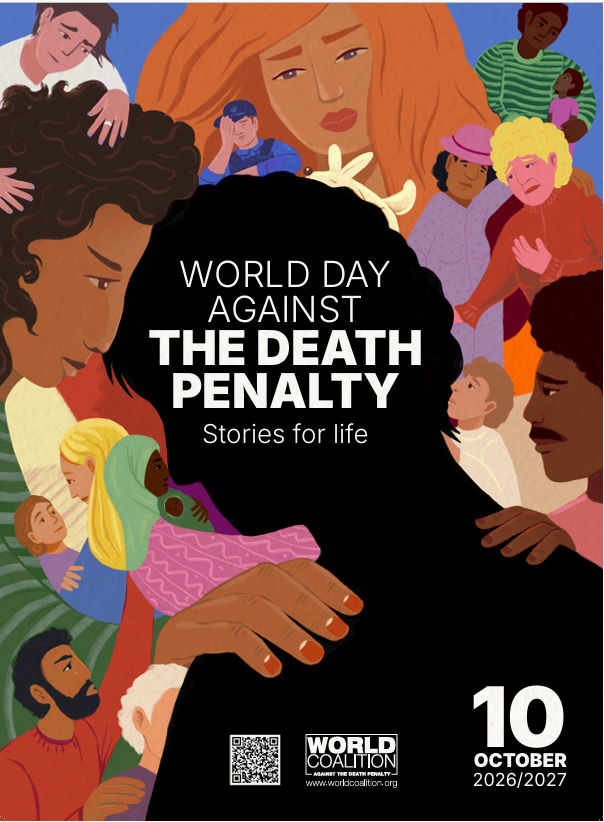
On 10 October 2011, the 9th World Day is to raise awareness on the inhumanity of the death penalty throughout the entire process, from sentence to execution.
World Day
9th World Day Against the Death Penalty: the inhumanity of the death penalty
Moratorium
Helping the world achieve a moratorium on executions